

Tired of Classes? The Best Classless Fantasy RPG Systems for Total Freedom in 2026

Why Players Are Abandoning Classes in Modern Fantasy RPGs
For decades, class based systems have defined tabletop roleplaying. From rigid archetypes like fighter, wizard, and rogue to increasingly complex subclass trees, traditional fantasy RPGs have trained players to think in predefined roles. But in 2026, a growing wave of players is asking a different question: what if your character wasn’t locked into a class at all?
Search trends like “classless RPG systems,” “skill based fantasy RPG,” and “RPGs without classes like D&D” are exploding because players want true creative freedom. They want to build characters based on identity, choices, and narrative, not constraints imposed at level one. The rise of classless fantasy RPG systems reflects a deeper shift in how people want to experience storytelling.
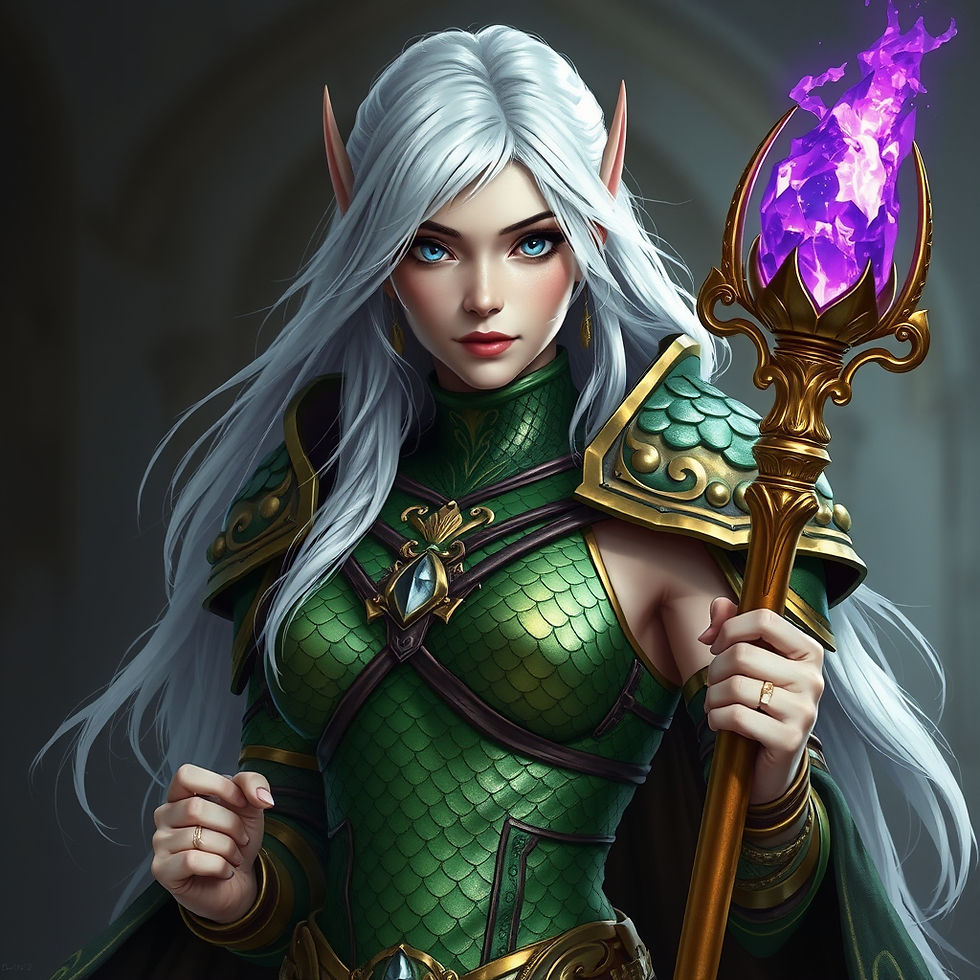
Instead of selecting a class and growing within its boundaries, classless systems allow players to evolve organically. You become what you do. You shape your identity through action. And most importantly, your character is never finished.
This is the future of tabletop roleplaying, and it’s already here.
What Is a Classless RPG System? (And Why It Matters in 2026)
The Core Philosophy of Classless Design
At its heart, a classless RPG removes predefined character roles and replaces them with flexible systems, usually skills, attributes, or narrative traits. Instead of choosing a “class,” players build their character piece by piece.
This design philosophy emphasizes agency above all else. You are not a “level 5 ranger.” You are a hunter who learned tracking, survival, and archery through experience. That distinction may sound subtle, but it fundamentally changes how the game feels.
Many modern systems now rely on skill based progression, where characters improve abilities through use or targeted advancement rather than leveling into new abilities.
Why Classless RPGs Are Trending Now
The surge in classless systems isn’t random. It’s driven by three major player demands.
First, players want deeper customization. Class systems often give the illusion of choice, but many builds converge into optimized paths. Classless systems break that pattern entirely.
Second, players want narrative driven growth. Instead of unlocking abilities at arbitrary levels, progression feels earned and tied to story.
Third, players want long term campaigns with evolving identities. In a classless system, your character can reinvent themselves mid campaign without needing to “multiclass” or start over.
The Limitations of Class-Based Fantasy RPGs
The Illusion of Choice
Games like Dungeons & Dragons 5th Edition and Pathfinder 2nd Edition offer dozens of classes and subclasses, but they still funnel players into predefined roles.
Once you choose a class, your future is largely mapped out. Even “customization” becomes a matter of selecting from a limited menu.
Narrative Disconnect
A common frustration among players is the disconnect between story and mechanics. Why does your character suddenly gain new abilities overnight? Why can’t a warrior learn magic naturally over time?
Classless systems solve this by aligning mechanics with narrative progression.
Long-Term Rigidity
In long campaigns, class systems can feel restrictive. Players who want to evolve their character concept often run into mechanical walls. Classless systems remove those walls entirely.
The Best Classless Fantasy RPG Systems for 2026
Gods of Aumin – The Ultimate Mythic Ascension Experience
If you’re searching for a classless RPG that fully embraces player freedom, Gods of Aumin stands at the forefront of the genre.
This system is built entirely around the idea that your character is not defined by a class, but by their journey.
Unlike traditional RPGs, progression in Gods of Aumin is skill based and experience driven. Every improvement comes from what your character actually does in the world. There are no artificial level gates, no predefined roles, and no limitations on who your character can become.
What truly sets it apart, however, is its scope. Characters don’t just grow stronger, they ascend. Campaigns evolve from grounded survival to mythic power, eventually allowing players to become gods who shape the world itself.
This is not just a classless system. It’s a complete reimagining of what long-form fantasy storytelling can be.
Dragonbane – Fast, Skill-Based Fantasy Without Classes
Dragonbane is one of the most accessible classless systems in 2026, offering a streamlined experience that still delivers depth.
Built around a roll under skill system, Dragonbane allows characters to grow through use based advancement. Combat is fast, dangerous, and meaningful, making every decision count.
It’s ideal for players who want the freedom of classless design without overwhelming complexity.
RuneQuest – The Classic Skill-Based RPG Foundation
Few systems have influenced classless design as much as RuneQuest.
This legendary system pioneered the idea that characters should be defined by skills rather than classes. Magic, combat, and social abilities all exist on the same continuum, allowing for deeply customized characters.
Modern classless systems, including Gods of Aumin, build on foundations established by RuneQuest, expanding them into more narrative and mythic directions.
Call of Cthulhu – Investigative Freedom Without Classes
While not traditional fantasy, Call of Cthulhu demonstrates how powerful classless design can be in storytelling.
Characters are defined by professions and skills rather than rigid classes, allowing for flexible roleplay and organic development.
This system proves that classless design works across genres, and reinforces why it’s gaining traction in fantasy RPGs.
Skill-Based Progression vs Level-Based Systems
Why Skill-Based Systems Feel More Real
Skill based progression creates a natural feedback loop. When you use a skill, you improve it. This mirrors real world learning and creates a stronger connection between player actions and character growth.
In contrast, level based systems often bundle unrelated abilities together, breaking immersion.
The Emotional Impact of Earned Growth
There’s a fundamental psychological difference between unlocking an ability because you reached level 10 and earning it because you trained, failed, and succeeded in the game world.
Classless systems tap into this emotional reward, making progression feel meaningful.
How Classless RPGs Enhance Player Agency
True Character Ownership
In a classless system, every character is unique. There are no templates, no archetypes, only choices.
This leads to stronger player investment and more memorable stories.
Emergent Storytelling
Because characters are not constrained by classes, stories can evolve in unexpected ways. A healer can become a warrior. A thief can become a leader. A mortal can become a god.
This flexibility creates emergent narratives that feel organic and unpredictable.
Why 2026 Is the Year of the Classless RPG
The tabletop RPG industry is experiencing a creative renaissance. Indie systems are pushing boundaries, players are demanding more freedom, and designers are experimenting with new mechanics.
Classless systems sit at the center of this evolution.
Games like Dragonbane highlight how accessible and streamlined classless design can be, while systems like Gods of Aumin demonstrate its full potential in epic, long form campaigns.
Meanwhile, the continued influence of foundational systems like RuneQuest ensures that classless design is not just a trend, it’s a proven approach that continues to evolve.
Choosing the Right Classless RPG for Your Table
For Total Freedom and Epic Campaigns
If your group wants unlimited growth, deep systems, and mythic storytelling, Gods of Aumin is unmatched.
For Fast, Accessible Play
If you want something easy to learn with quick combat and clear mechanics, Dragonbane is an excellent choice.
For Classic Simulationist Play
If you enjoy detailed worlds and grounded mechanics, RuneQuest remains a cornerstone of the genre.
The Future of Fantasy RPGs: Beyond Classes
The question is no longer whether classless systems will grow, it’s how far they will go.
As more players discover the freedom of skill based progression and narrative driven growth, the limitations of class systems become harder to ignore.
The next generation of fantasy RPGs won’t just offer more classes. They’ll move beyond them entirely.
And at the forefront of that movement is Gods of Aumin, a system built not just to remove limits, but to redefine what roleplaying can be.
Final Thoughts: Your Character, Your Story, No Limits
If you’ve ever felt constrained by class based systems, you’re not alone. The desire for freedom, creativity, and meaningful progression is driving a massive shift in tabletop gaming.
Classless RPGs are not just an alternative, they are the evolution of the genre.
And if you’re ready to experience true freedom, it might be time to leave classes behind and forge your own path.


Comments